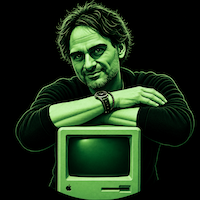
Five decades
of computing.
A personal journey through computing history, with UNIX at its core.
Hi, I'm Davis 👋
It started with a ZX Spectrum 16K. That's where I go back to. Everything
since has been an extension of the same curiosity, just with better
budgets. I've spent three decades in enterprise IT but the real
education happened earlier, cutting my teeth on Pascal, C, Prolog and Lisp back
in the '90s and obviously UNIX. I restore vintage systems in my spare time: AlphaStation still running OpenGenera, a NeXT that boots, SCO Xenix driving an MGR
desktop that has no business still working. This is where I keep track of all of it, organized by era and brand.
The Timeline
Move through the collection chronologically. Each machine represents a different step in the evolution of personal and workstation computing.
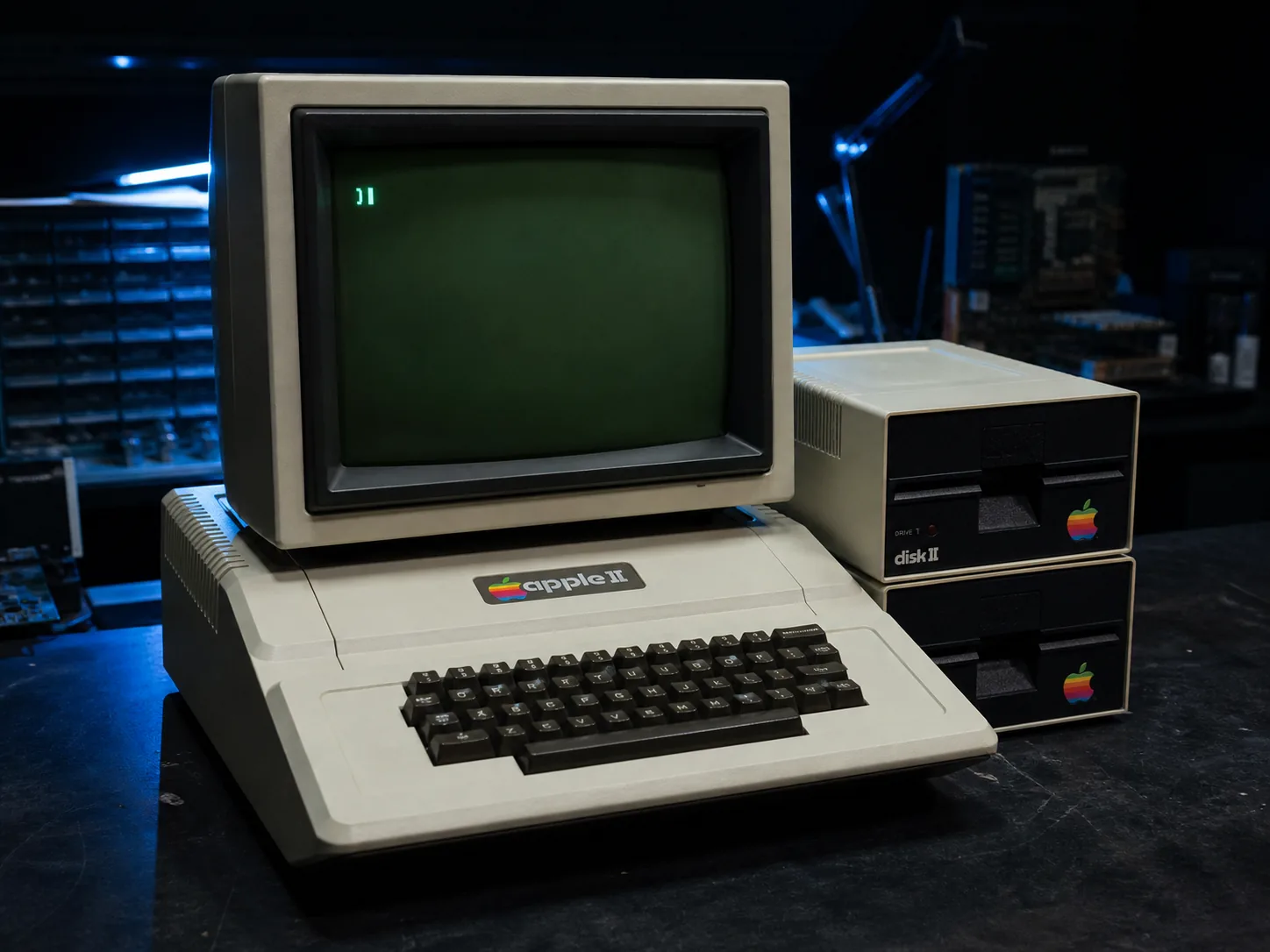
1970s
Computing was still dominated by mainframes and minicomputers, shared through terminals in universities, research centres and large organisations. The microprocessor arrived and began moving computing from machine rooms toward individual users.
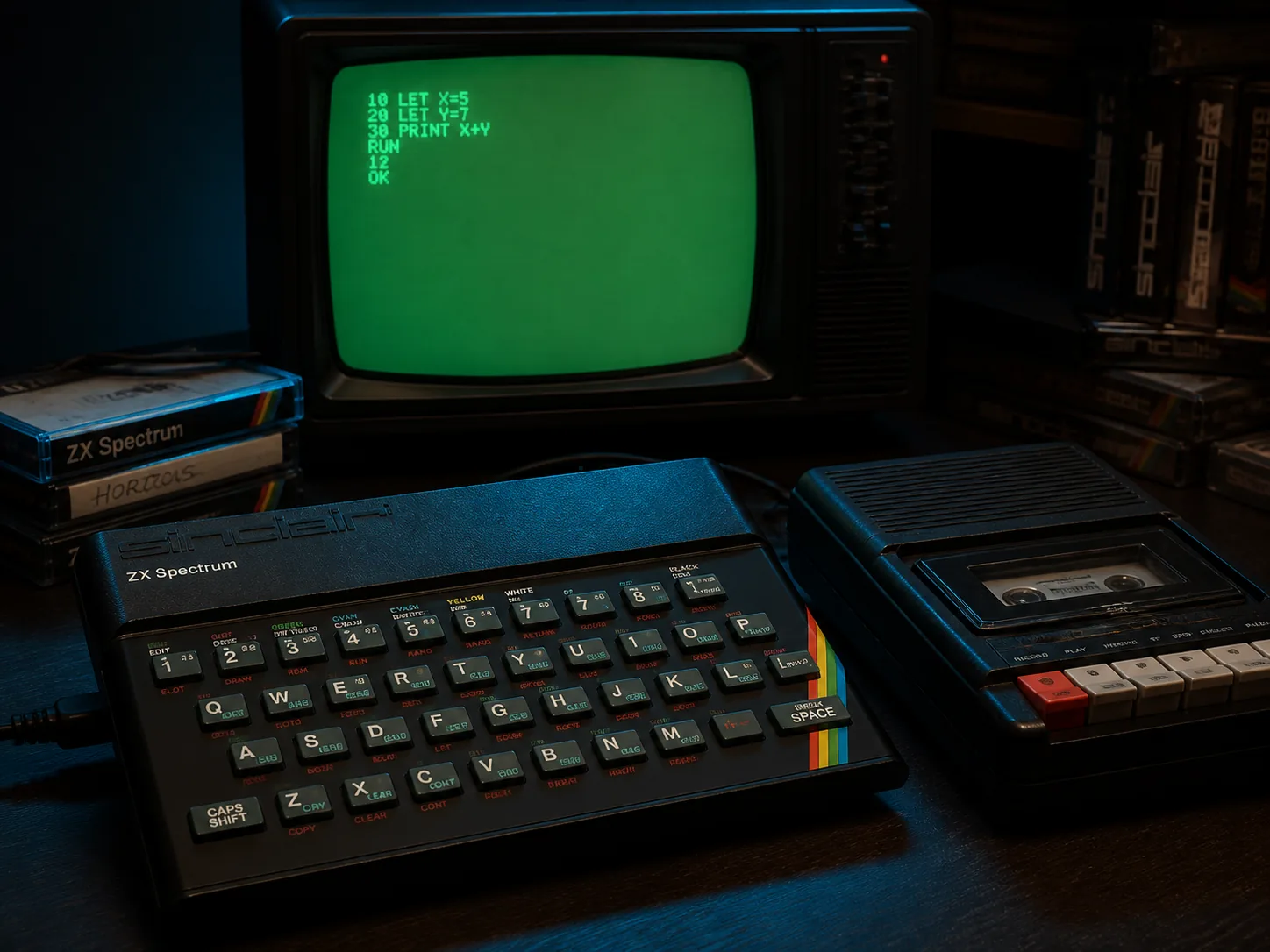
1980s
The personal computer became a reality. 8-bit and 16-bit machines entered homes and offices, graphical interfaces emerged, and computing evolved from a specialist tool into something people could own, explore and program.
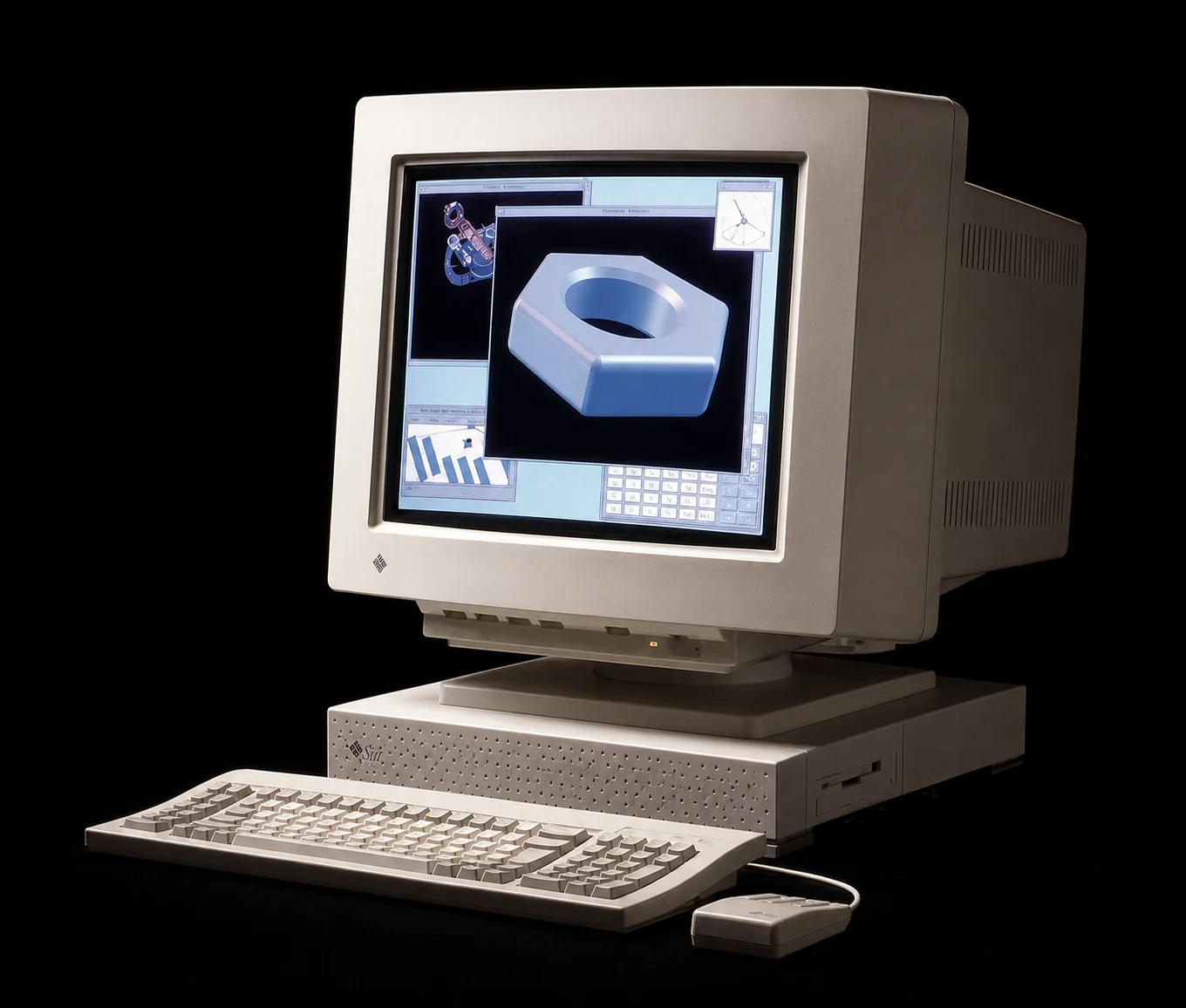
1990s
Computers became connected. PCs grew faster and more standardised, UNIX workstations powered engineering and the early Web, and the Internet moved from universities and research networks into homes and businesses.
2000s
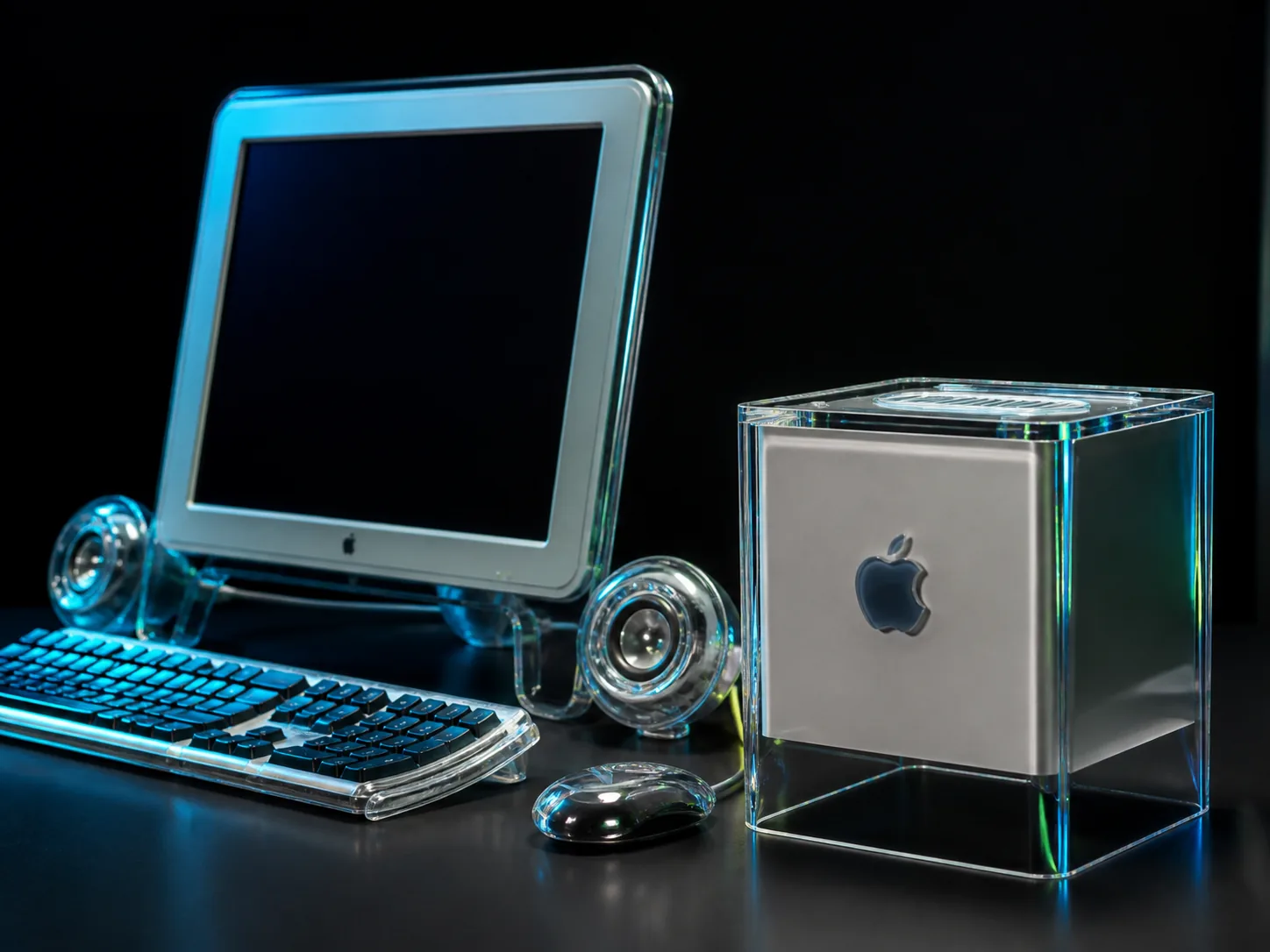
Computing became ubiquitous. Broadband, Wi-Fi and powerful laptops changed how people accessed information, while open-source software, virtualisation and large-scale data centres reshaped the infrastructure behind the Internet.
2010s+
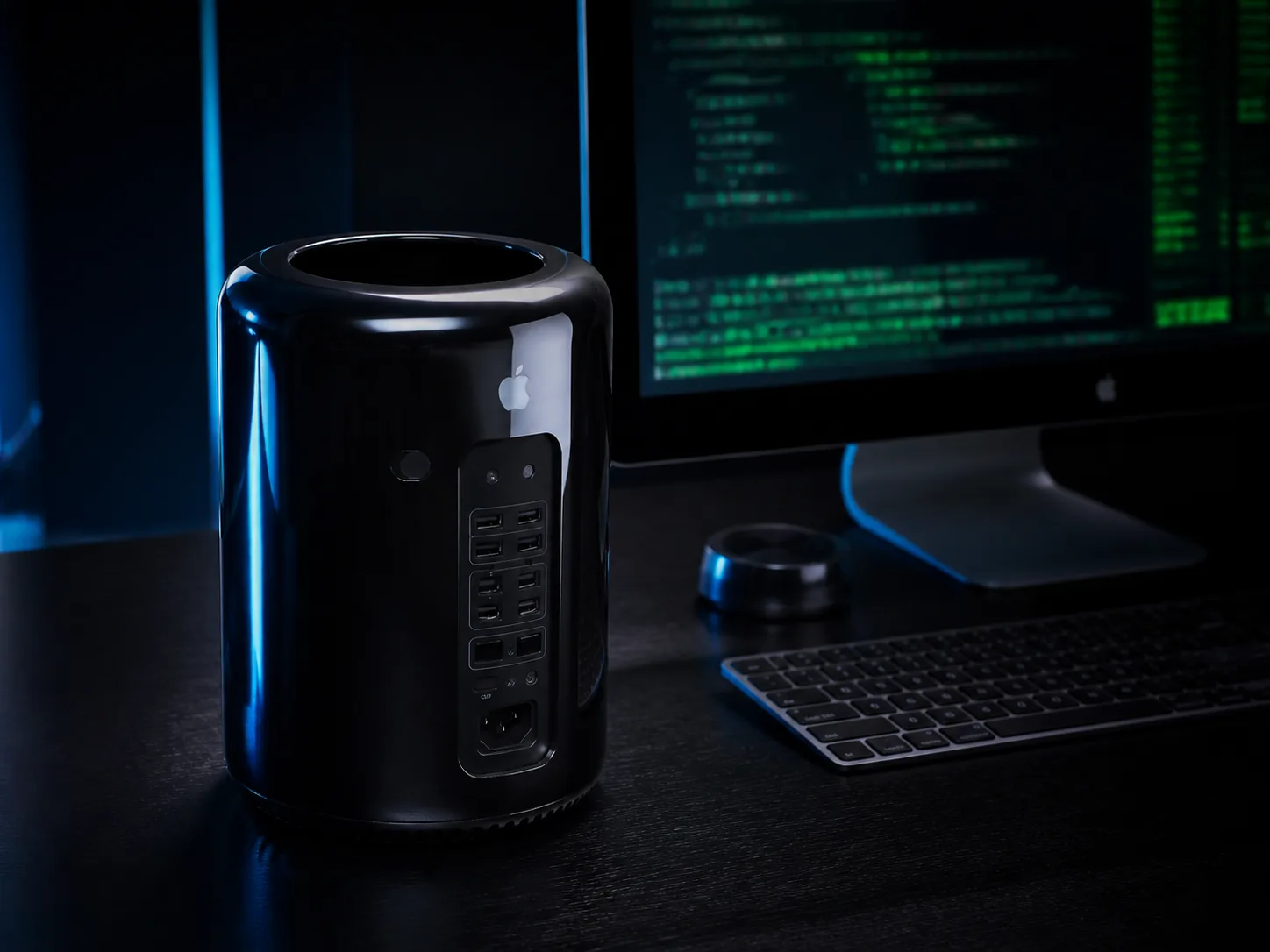
Computing moved beyond the computer itself. Smartphones, cloud platforms and massive distributed systems made digital services permanently available, while machine learning and AI began transforming how people interact with technology.









Leave a comment